

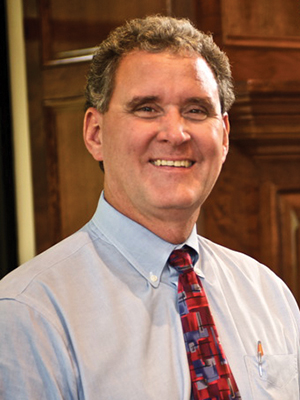
David Ammons
David Ammons is president of Retirement Living Associates, Inc. (RLA), a company which provides planning, development, marketing, and management services for new and existing retirement communities. He has worked in and with Senior Living Communities since his graduation from Wake Forest University in 1985. Contact David Ammons at [email protected] or 919-783-0044 ext 21.
This issue, I invited David Coster, VP of Development at RLA to bring his perspective on the senior living landscape. I hope you enjoy.
The National Investment Center for Seniors Housing estimates that development of seniors’ housing is running at a pace that will result in a gap of more than 50% of what is necessary to serve the 80+ population in the US by 2030. What has led to the gap? What is being done about it? How should you respond? Let’s examine the issue.
How did we get here … well it all begins in the aftermath of WWII. Millions of soldiers, sailors, marines, and airmen returned home and got busy building their lives and families. This unprecedented baby boom gave rise to what we now refer to as the Boomer generation, 76.4 million strong, born between 1946 and 1964. Averaging about four million members per year, this generation has had a profound impact on American society at every stage of their lives. Beginning in 2026, when the first boomers turn 80, their impact on senior living begins in earnest. Developers of retirement and senior communities have known this demand was coming, so why weren’t they ready?
No one could have predicted COVID and the economic impact that it brought with it. The operational and financial challenges presented by COVID took away the incentives and the ability to develop additional capacity between 2021 and 2024. Now in 2025 it is still a very difficult environment in which to develop new projects. Interest rates remain elevated, and inflation has made both construction and operations more expensive. While some new development is underway and existing communities are undertaking expansions, it is nowhere near the level that is necessary to meet demand.
How should a Boomer respond to this situation? The answer depends to some degree on where you fall within the 19 year period of the Baby Boom. For those older members, perhaps those between 75-80, the urgency is greatest. If you are considering a Continuing Care Retirement Community (CCRC) or Life Plan Community, then you should not wait to consider your options. Waiting lists are long and growing. You may need to consider options that involve relocating to a new area. Some communities have programs that allow those on the waiting list to participate in certain activities and even access healthcare services if needed. The key is not to wait to find out the reality of the situation where you are living or want to live.
For those younger Boomers, between 61-74, additional capacity will certainly be developed, and your decision can be somewhat more deliberate. Yet even these Boomers must remember that millions of their generation are getting in line at communities where they may desire to live. There is nothing that says you can’t get on waiting lists in your 60s or early 70s.
A demographic wave combined with an unexpected pandemic producing a shortfall in retirement community capacity. Wise Boomers will respond by investigating options as soon as possible, securing their position on waiting lists, and expanding the geography of their search.